Innovation, Precision and Life-Changing Care Ruby Hall Clinic is one of the best interventional radiology hospital in Pune and has a team of the best interventional radiologists in Pune. A radiologist’s duties extend beyond simple imaging and report writing. T
Innovation, Precision and Life-Changing Care
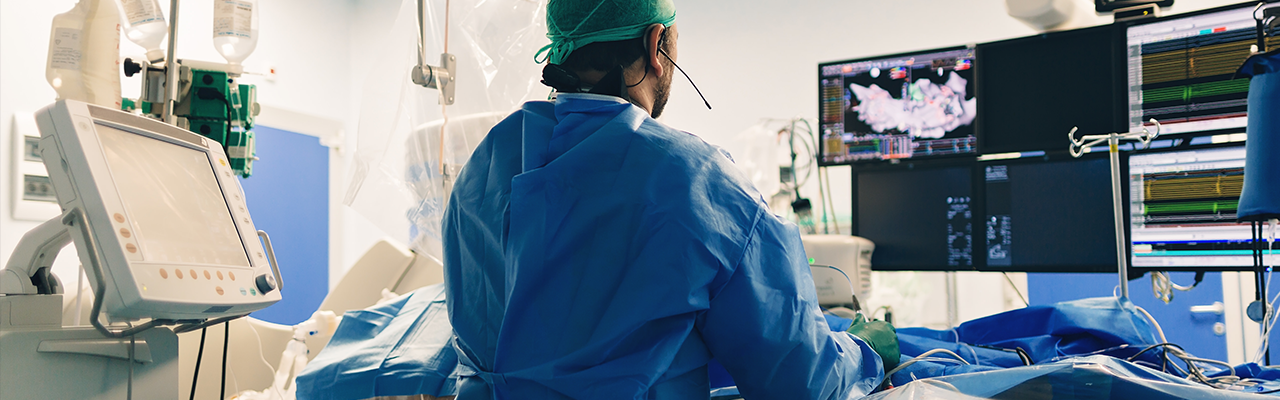
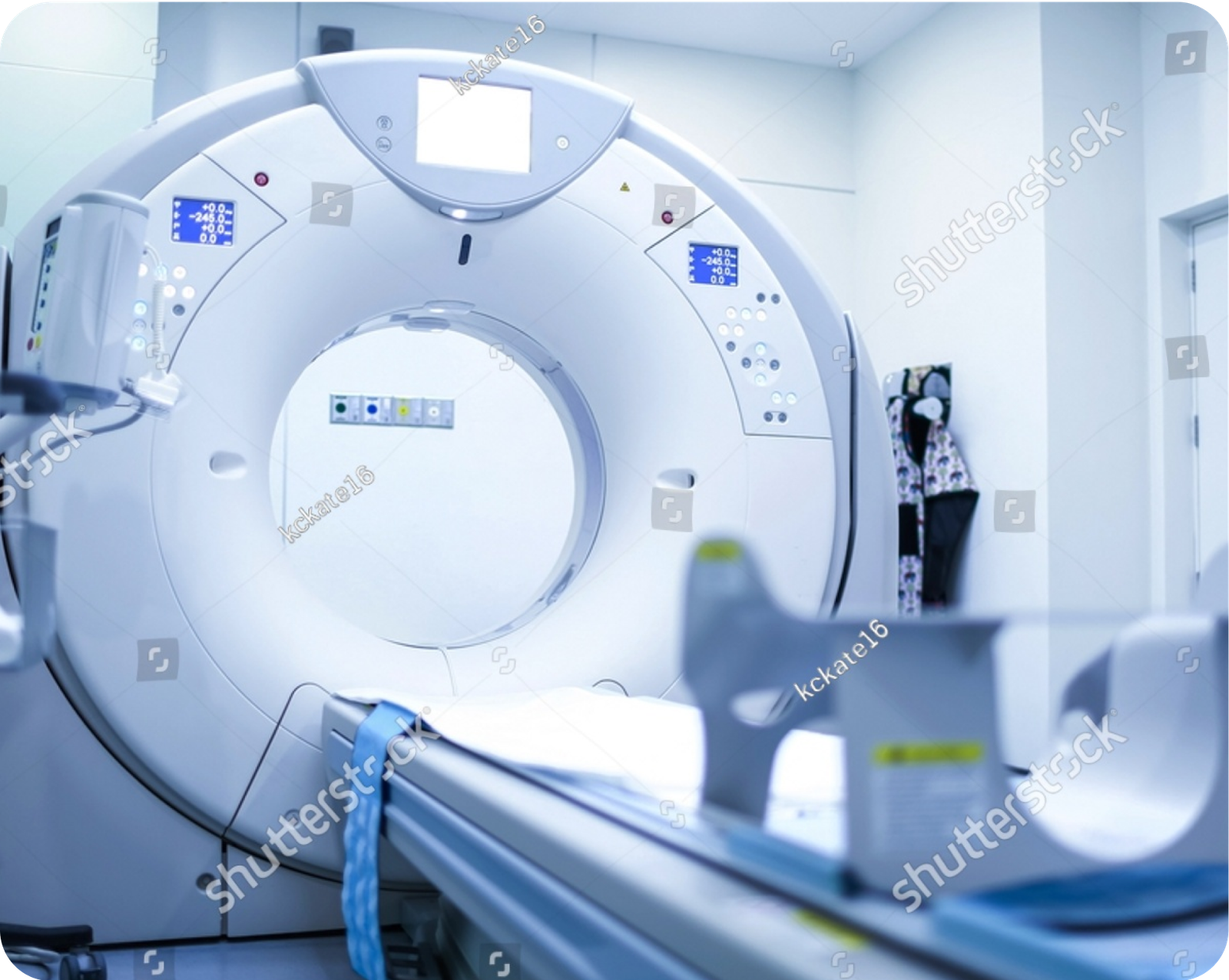
Ruby Hall Clinic is one of the best interventional radiology hospital in Pune and has a team of the best interventional radiologists in Pune. A radiologist’s duties extend beyond simple imaging and report writing.
They also perform specialised surgeries to enhance the diagnosis, manage the illness, and occasionally even preserve a life. The crisp images obtained from CT, DSA, and ultrasound are used for this.
While most places in Maharashtra have access to CT, MRI, and ultrasound, Ruby Hall Clinic is one of the few centres that offers patients the benefit of interventional radiology.
Biopsy :
A basic biopsy could be performed as part of interventional radiology. This is carried out using an ultrasound or CT scanner to enable the specialist to see the needle with clarity. The risk of a biopsy is significantly decreased when the needle is inserted into the tumour correctly. To remove pus or blood that has collected in the chest or abdomen, utilise the same procedure. A catheter can be inserted into the collection while being guided by CT or US. A quick fix that spares the patient from requiring extensive surgery.
Angioplasty:
The DSA can be used to treat a variety of illnesses by inserting a catheter inside a blood vessel to perform an angiography. A catheter and balloon can be used to open a blocked vessel.
Embolisation:
There are various circumstances where obstructing a vessel is necessary as part of the therapy. Blocking the blood vessel from the inside will save a life when there is severe bleeding and blood transfusions do not help. The recommended course of action for treating GI bleeding brought on by pseudoneurosis is a procedure known as embolisation.
Chemoembolisation:
Using this method, the cancer medication is injected directly into the blood vessel that feeds the tumour. Experts can make sure that the tumour receives a high dosage of cancer medications while avoiding the typical side effects of doing so. Patients who are unable to undergo surgery due to liver cancer are now offered this treatment option.
Radiofrequency Ablation:
An effectively new treatment method for colorectal cancer metastases and small (< 4 cm) hepatocellular carcinomas. Using US or CT guidance, a 16G needle is inserted into the lesion during radiofrequency ablation, which heats the tumour to cause it to rupture.
Varicose veins are caused by weakened valves and veins in your legs. Normally, one-way valves in your veins keep blood flowing from your legs toward your heart. When these valves stop functioning, blood collects in your legs, and pressure builds up. The veins then tend to become weak, large, and twisted.
Treatment in Interventional Radiology:
Laser Ablation Treatment (Non-Surgical)
Radiofrequency Ablation
Sclerotherapy
MOCA
Ablation of veins by glue
Oncology is a branch of medicine that deals with tumours. It’s concerned with the diagnosis of any cancer in a person (pathology), therapy (e.g., surgery, chemotherapy, radiotherapy, and other modalities), follow-up of cancer patients after successful treatment, and palliative care of patients with terminal malignancies.
Treatment in Interventional Radiology:
Percutaneous Interventions Radiofrequency (RF)
Ablation
Transarterial chemo-embolisation (TACE)
Transarterial radio-embolisation (TARE)
Microwave ablation
IRE
Pre-op embolisation
Peripheral Arterial Disease (PAD), also known as Peripheral Vascular Disease (PVD), is a prevalent condition. PAD develops most commonly due to atherosclerosis, or hardening of the arteries, which happens when cholesterol and scar tissue build up and form plaque inside the arteries.
Treatment in Interventional Radiology:
Angioplasty and Stenting
CDT (Catheter-Directed Thrombolysis)
Catheter-assisted thromboplasty
Deep vein thrombosis (DVT) is the formation of a blood clot, known as a thrombus, in the deep leg vein. It is a critical condition that can cause permanent damage to the leg, known as post-thrombotic syndrome, or a life-threatening pulmonary embolism.
Treatment in Interventional Radiology:
CDT (Catheter-Directed Thormbolysis)
Catheter-assisted Thrombectomy
IVC filter
Patients suffering from chronic kidney disease or renal failure need to undergo renal replacement therapy in the form of dialysis. Dialysis forms the lifeline of patients suffering from kidney diseases.
Treatment in Interventional Radiology:
Perm catheter placement
AV fistula salvage by angioplasty
Central vein angioplasty/stenting
Peritoneal dialysis catheter placement
Pulmonary embolism is the sudden blockage of a major blood vessel (artery) in the lung, usually by a blood clot. In most cases, the clots are small and are not deadly but can damage the lungs.
Treatment in Interventional Radiology:
Catheter-directed therapy or catheter-directed thrombolysis
Thrombectomy
A common circulatory issue known as peripheral artery disease (PAD) causes your limbs’ blood flow to be reduced due to narrowed arteries. When a blood vessel becomes narrowed or blocked, the interventional radiologist uses non-surgical angioplasty and stenting to open it.
The imaging techniques allow accurate diagnosis and treatment using cutting-edge equipment.
Minimally invasive procedures are performed through a small nick in the skin, minimising the patient’s discomfort and recovery time.
As interventional procedures tend to require only local anaesthesia, hospital stays are shorter, with patients often going home the same day the procedure is performed.
The techniques can be used on very sick patients who are unfit for surgery.
Patients who undergo IR procedures experience less pain during and after the procedure than patients undergoing open surgical procedures.
Post-procedural care is provided, along with follow-up imaging to confirm if the treatment has been successful.
The Benefits
The imaging techniques allow accurate diagnosis and treatment using cutting-edge equipment.
Minimally invasive procedures are performed through a small nick in the skin, minimising the patient’s discomfort and recovery time.
As interventional procedures tend to require only local anaesthesia, hospital stays are shorter, with patients often going home the same day the procedure is performed.
The techniques can be used on very sick patients who are unfit for surgery.
Patients who undergo IR procedures experience less pain during and after the procedure than patients undergoing open surgical procedures.
Post-procedural care is provided, along with follow-up imaging to confirm if the treatment has been successful.
Interventional Radiology doctors
Meet doctors listed for Interventional Radiology at Ruby Hall Clinic.