

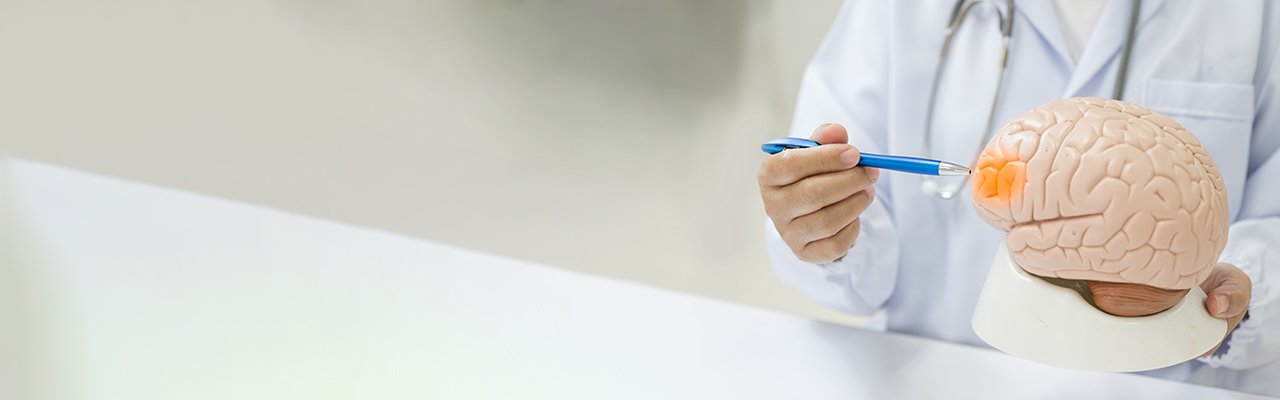
Neuro Trauma Unit
Providing unparalleled medical experience and top-notch facilities, the NTU is a world-class workplace that guarantees high-quality medical care for conditions related to neurology, trauma, and stroke. Based on research and well-known publications, it is considered one of Pune's best neurological hospital, with a history of innovation and excellence.
Precision in Emergency, Excellence in Recovery
Providing unparalleled medical experience and top-notch facilities, the NTU is a world-class workplace that guarantees high-quality medical care for conditions related to neurology, trauma, and stroke. Based on research and well-known publications, it is considered one of Pune's best neurological hospital, with a history of innovation and excellence.
We are able to provide care for a wide range of illnesses thanks to our 48 operational beds, skilled staff, and innovative treatment regimen.
Our mission is to achieve clinical excellence, patient safety, and satisfaction by making quality an essential component of every aspect of our business operations.

Accident and emergency unit

Neuro trauma unit

Neuro rehabilitation
Neuro Trauma Intensive Care Unit Facilities
 Multidisciplinary critical care
 Level 1 Trauma care centre
 Our highly trained specialists provide treatment to complex stroke patients
 Neuro intervention facility for STROKE / SAH / VST
 State of art Neuro monitoring facilities.
 Perioperative management of high-risk surgical patients
 Advance haemodynamic suport facility
 Epilepsy monitoring room facility
 Bedside EEG monitoring facility
 Contenouse EEG monitoring facility
 POCUS (Point of care USG)facility.
 CRRT / Bedside Dialysis
 Therapeutic plasma exchange (TPE) facility.
 Advanced invasive/non - invasive ventilatory support facility
Services Complementing NTU Care Capacity...
 NABH accreditation
 Specialists and well-trained doctors - available round the clock
 Nursing ratio 1:2, with well-trained and dedicated nurses
 Clean, hygienic environment with strict infection control practices in place
 Established Antibiotic stewardship programme
 Centre of excellence for Organ Transplantation
 Daily counselling sessions to update current condition of patients
 Liberal and patient selective visiting hours for near dear ones.
 Advance Neuro Rehabilitation programme.
 Dedicated Coordinator to bridge gap between relatives & Ntu staff
 24 /7 Dietary services available with on demand menu facility.
 Complimentary Locker / washroom / relax facilities for one accompanied relative.
Our Inspiration
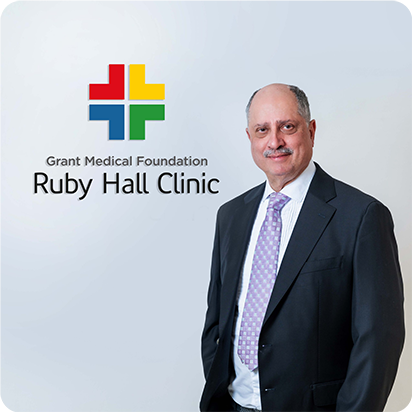
Dr. Purvez K. Grant
Chairman & Managing Trustee
The Chief Cardiologist and Chairman of Cardiovascular Services at the hospital, Dr. Purvez K. Grant, is the pillar of the legacy of Ruby Hall Clinic. One of the most sought-after specialists in cardiology, Dr. Grant holds a slew of fellowships from some of the most prestigious establishments in the world, including the American College of Cardiology and the Royal Society of Medicine, UK, among others. Also, in recognition of his services to the medical field, Dr. Purvez K. Grant has been conferred several honours, including three national awards.
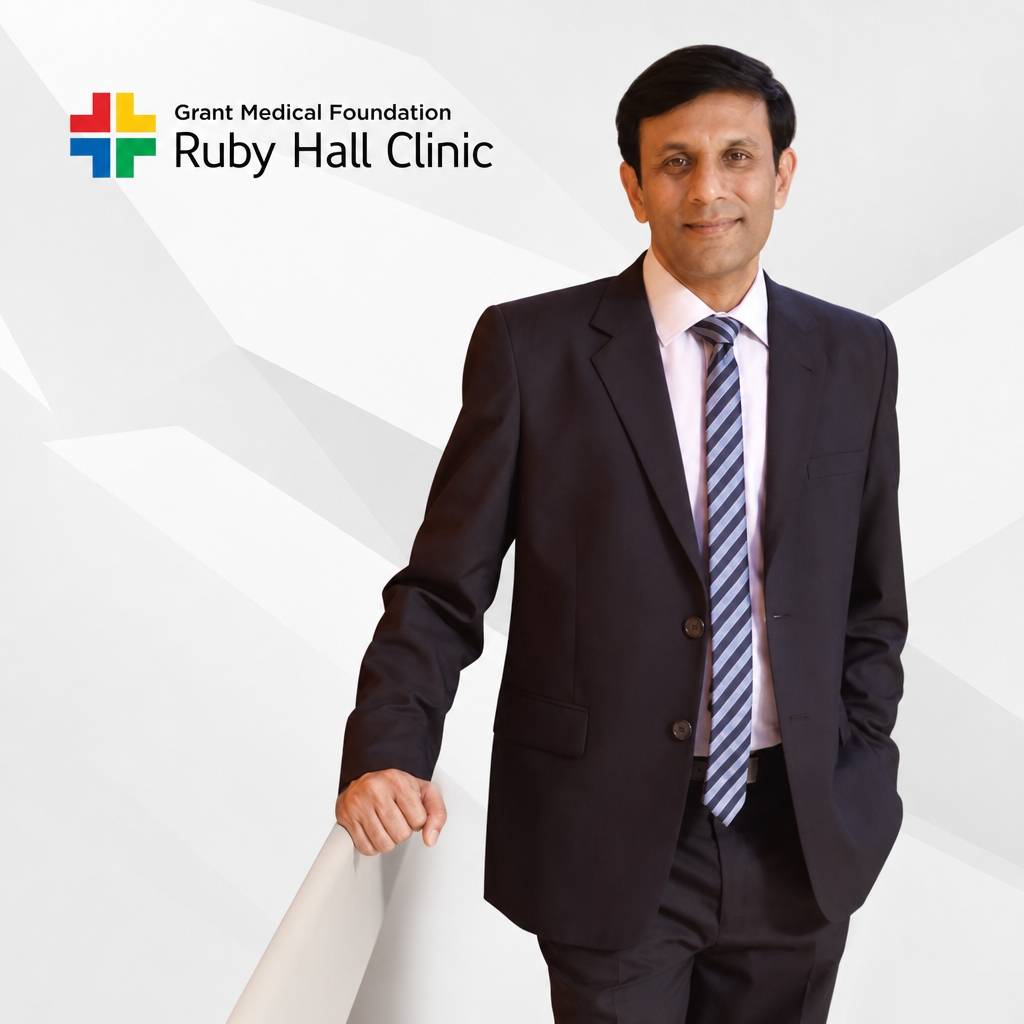
Dr. Mudit Saxena
Chief Executive Officer
Dr. Mudit Saxena commands the wheels of Ruby Hall Clinic, Pune’s largest medical system, encompassing three hospitals, a leading nursing college, an internationally renowned cancer centre and a vast network of healthcare diagnostic centres.
Dr. Mudit Saxena is a distinguished healthcare leader with over three decades of experience spanning corporate, trust and public sector healthcare organisations. A medical doctor by training, he is among the early clinicians in India to formally transition into healthcare management, having pursued a Master of Health Administration (MHA) along with a management programme from the Indian Institute of Management Bangalore. He completed his MBBS from SMS Medical College and further pursued academic programmes with Johns Hopkins University and Singapore Management University.
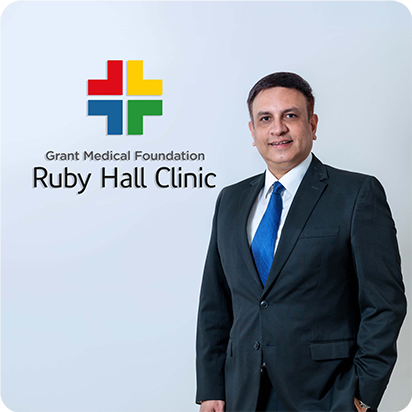
Mr. Urvaksh Bhote
Chief Operating Officer
Mr. Urvaksh brings over 26 years of extensive expertise in global business operations, finance & accounting, change management, transformation, and operational excellence to our team. Before joining us, he served as the CEO and Board Member at DecisivEdge Technology Services India Pvt. Ltd. Mr. Urvaksh holds a bachelor's in commerce and a master's in business administration, specialising in finance. He is a certified project management professional from PMI, Certified Lean Six Sigma Green and Black Belt, and holds a diploma in import and export management and materials management.
Neuro Trauma Intensive Team

Dr. Sanjay Vhora
M.S. (surg.) M.Ch. (neurosurgery) Chairman & Founder Director, Neuro Trauma Unit
Mon - Sat NA
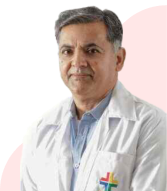
Dr. Sunil Bandishti
MD Medicine DM Neurology Head, Neuroscience Department
Mon - Sat NA
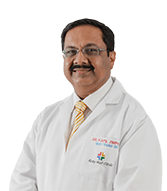
Dr. Kapil Zirpe
HOD, Director NTU
Mon - Sat NA
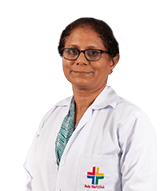
Dr. Sushma Gurav
Senior Consultant Incharge NTU II
Mon - Sat NA
Courses Available At NTU
| Course Name | Description | No. of Seats | Eligibility |
|---|---|---|---|
| Indian Diploma in Critical Care Medicine (IDCCM) | One year course for MD/MS/DNB candidates and 2 years for Diploma candidates | 8 |
|
| Indian Fellowship in Critical Care Medicine (IFCCM) | One year fellowship course after completion of IDCCM | 2 | Duration of IFCCM is one year post IDCCM |
| FNCC (Fellowship in Neuro Critical Care) | Course duration: 1 years | 2 |
|
| ISCCM Diploma In Critical Care Nursing | This course is designed to assist students in developing expertise and knowledge in the field of Critical care Nursing | 8 | GNM , B.Sc. Nursing, M. Sc. Nursing, PG Diploma |
| FNB Critical Care Course | It is a two-year fellowship course after completion MD Medicine/Chest/Anaesthesia | 2 | Candidates are allotted from DNB board through central NEET PG examination |
| Fellowship in Neuro Critical Care (MUSH) | Duration:01 Year | 2 |
|
NTU Academics:
Courses Available At NTU
| Course Name | Description | No. of Seats | Eligibility |
|---|---|---|---|
| Indian Diploma in Critical Care Medicine (IDCCM) | One year course for MD/MS/DNB candidates and 2 years for Diploma candidates | 8 |
|
| Indian Fellowship in Critical Care Medicine (IFCCM) | One year fellowship course after completion of IDCCM | 2 | Duration of IFCCM is one year post IDCCM |
| FNCC (Fellowship in Neuro Critical Care) | Course duration: 1 years | 2 |
|
| ISCCM Diploma In Critical Care Nursing | This course is designed to assist students in developing expertise and knowledge in the field of Critical care Nursing | 8 | GNM , B.Sc. Nursing, M. Sc. Nursing, PG Diploma |
| FNB Critical Care Course | It is a two-year fellowship course after completion MD Medicine/Chest/Anaesthesia | 2 | Candidates are allotted from DNB board through central NEET PG examination |
| Fellowship in Neuro Critical Care (MUSH) | Duration:01 Year | 2 |
|
Activities at NTU
- Bed side clinics twice a week
- Classroom teaching twice a week
- Journal club once a week
- Group Discussion twice a month
- Case presentation once a week
For More Information
Courses Available At NTU
| Sr. No. | Contributors | Years |
|---|---|---|
| 1 | The intensive care Outcome Network (ICON) Study | 2012 |
| 2 | Limitations and Problems in thrombolysis of acute stroke patient tertiary care experience, IJCCM | 2015 |
| 3 | Dengue infection with multi organ dysfunction: SOFA score, arterial lactate and albumin levels predictors of outcome. | 2015 |
| 4 | Intensive Care in INDIA: The Indian intensive care case mix and practice pattern study. IJCCM | 2016 |
| 5 | Survival or safety: Balancing act with colistin, Expert Commentary, Journal of Global infectious diseases | 2016 |
| 6 | Management of Potential Organ Donor: Indian Society of Critical Care Medicine (ISCCM) - Position Statement IJCCM | 2017 |
| 7 | Multi-centre Observational Study to evaluate epidemiology and Resistance Patterns of Common ICU-infections. IJCCM | 2017 |
| 8 | "The impact of early tracheostomy in neurotrauma patients: A retrospective study" IJCCM | 2017 |
| 9 | Impact of stroke code: Rapid response team; An attempt to improve intravenous thrombolysis rate & to shorten door to needle time in Acute ischemic stroke. IJCCM | 2018 |
| 10 | Critical care Quality Up gradation Enabled by Space Technology (QUEST) IJCCM | 2018 |
| 11 | Practice Guidelines on Nutrition in critically ill: A Relook for Indian scenario- IJCCM | 2018 |
| 12 | Brain Death And Management Of Potential Organ Donor | 2019 |
| 13 | Practice Guidelines For Enteral Nutrition Management In Dysglycemic Critically Ill Patients: A Relook For Indian Scenario. | 2019 |
| 14 | ISCCM Guidelines for the Use of Non-invasive Ventilation in Acute Respiratory Failure in Adult ICUs. | 2020 |
| 15 | Indian Society of Critical Care Medicine Position Statement for Central Venous Catheterization and Management 2020. | 2020 |
| 16 | Tracheostomy in Adult Intensive Care Unit: An ISCCM Expert Panel Practice Recommendations. | 2020 |
| 17 | Methicillin-resistant Staphylococcus aureus in Intensive Care Unit Setting of India: A Review of Clinical Burden, Patterns of Prevalence, Preventive Measures, and Future Strategies. | 2020 |
| 18 | Indian Society of Critical Care Medicine Experts Committee Consensus Statement on ICU Planning and Designing, 2020. | 2020 |
| 19 | Opiate and Cerebral Atrophy. | 2020 |
| 20 | Cytokine storm in Novel Coronavirus Disease (COVID 19) : Expert Management Considerations | 2020 |
| 21 | Dilatational Percutaneous vs Surgical Tracheostomy in Intensive Care Unit: A practice pattern Observational Multicenter study (DISSECT) | 2020 |
| 22 | Current Approaches to COVID 19: Therapy and Prevention | 2020 |
| 23 | Airway Management and related procedures in Critically Ill COVID 19 patients: Position Statement of Indian Society of Critical Care Medicine | 2020 |
| 24 | Development of critical care medicine in India. | 2020 |
| 25 | Procalcitonin (PCT)-guided antibiotic stewardship in Asia-Pacific countries: adaptation based on an expert consensus meeting. | 2020 |
| 26 | Antimicrobial de-escalation in the critically ill patient and assessment of clinical cure: the DIANA study. | 2020 |
| 27 | Determination of Brain Death/Death by Neurologic CriteriaThe World Brain Death Project | 2020 |
| 28 | Increase in Cadaver Organ Donation Rate at a Tertiary Care Hospital: 23 Years of Experience | 2020 |
| 29 | Current approaches to COVID 19: Therapy and Prevention | 2020 |
| 30 | Airway Management and Related Procedures in Critically Ill COVID-19 Patients: Position Statement of the Indian Society of Critical Care Medicine | 2020 |
| 31 | Incidence of Medication Error in Critical Care Unit of a Tertiary Care Hospital: Where Do We Stand? | 2020 |
| 32 | Practice Implications for Acute Ischemic Stroke during the COVID-19 Pandemic for the Indian Scenario: Realistic and Achievable Recommendations by the Society of Neurocritical Care (SNCC), India | 2020 |
| 33 | Pathophysiological Mechanisms and Neurological Manifestations in COVID-19 | 2020 |
| 34 | Consensus statement of ecological management of coronavirus disease 2019 (COVID-19): A Pragmatic Approach/Abstract | 2020 |
| 35 | Timing of Invasive Mechanical Ventilation and Mortality among Patients with Severe COVID-19-associated Acute Respiratory Distress Syndrome | 2021 |
| 36 | Age as Maestro or Solo Instrument in Opera of Death | 2021 |
| 37 | Cureus | 2021 |
| 38 | Intensive Care in India in 2018 to 2019: The Second Indian Intensive Care Case Mix and Practice Patterns Study | 2021 |
| 39 | A Real-world Study on Prescription Pattern of Fosfomycin in Critical Care Patients | 2021 |
| 40 | Efficacy and safety of baricitinib for the treatment of hospitalised adults with COVID-19 (COV-BARRIER): a randomised, double-blind, parallel-group, placebo-controlled phase 3 trial | 2021 |
| 41 | An artificial intelligence system for predicting mortality in COVID-19 patients using chest X-rays: a retrospective study | 2021 |
| 42 | Therapeutic Approaches in Modulating the Inflammatory and Immunological Response in Patients With Sepsis, Acute Respiratory Distress Syndrome, and Pancreatitis: An Expert Opinion Review | 2021 |
| 43 | Barotrauma, invasive ventilation, and timing of tocilizumab as predictors of mortality along with inflammatory markers and comorbidities in critically ill COVID-19 patients: A retrospective study | 2021 |
| 44 | A Retrospective Analysis of Risk Factors of COVID-19 Associated Mucormycosis and Mortality Predictors: A Single-Centre Study | 2021 |
| 45 | The Second-vs First-wave COVID-19: More of the Same or a Lot Worse? A Comparison of Mortality between the Two Waves in Patients Admitted to Intensive Care Units in Nine Hospitals in Western Maharashtra | 2021 |
| 46 | Compass in COVID-19 Illness: Disseminated Intravascular Coagulation/Sepsis Induced Coagulopathy Scoring in Predicting Severity | 2021 |
| 47 | COVID-19 pandemic in India | 2022 |
| 48 | Prescription-Event Monitoring Study on Safety and Efficacy of Levonadifloxacin (Oral and I.V.) in Management of Bacterial Infections: Findings of Real-World Observational Study | 2022 |
| 49 | Prescription-Event Monitoring Study on Safety and Efficacy of Levonadifloxacin (Oral and I.V.) in Management of Bacterial Infections: Findings of Real-World Observational Study | 2022 |
| 50 | Case of Suspected SARS-CoV-2 Vaccine-induced Immune Thrombotic Thrombocytopenia (VITT): The Dilemma for Organ Donation | 2022 |
| 51 | Organ Donation after Circulatory Determination of Death in India: A Joint Position Paper | 2022 |
| 52 | CRITICAL CARE Theme: Neurocritical Care A BI-MONTHLY NEWSLETTER OF INDIAN SOCIETY OF CRITICAL CARE MEDICINE | 2022 |
| 53 | Recommendations for Evaluation and Selection of Deceased Organ Donor: Position Statement of ISCCM | 2022 |
| 54 | Pune ISCCM Covid ARDS Study Consortium (PICASo), is a multicentre retrospective cohort study to know effectiveness of NIRAD (Non-Invasive Respiratory Assist Devices) in avoiding invasive mechanical ventilation in COVID-19-associated severe Hypoxic respiratory failure. Data of 1201 patients from 12 institutes was analysed. | 2022 |
| 55 | Retrospective Cohort Observational Study to compare the Effect of Mycobacterium w along with Standard of Care vs Standard of Care alone in critically ill COVID-19 Patients | 2022 |
| 56 | Dimethoate Self-poisoning-induced Severe Hypotension | 2022 |
| 57 | Indian Society of Critical Care Medicine Consensus Statement for Prevention of Venous Thromboembolism in the Critical Care Unit | 2022 |
| 58 | Guidelines for the Use of Procalcitonin for Rational Use of Antibiotics | 2022 |
| 59 | Indian Society of Critical Care Medicine Consensus Statement for Prevention of Venous Thromboembolism in the Critical Care Unit Executive Summary | 2022 |
| 60 | Ulinastatin Add-on to Standard of Care in Critically Ill COVID-19 Patients: A Multicenter, Retrospective Study | 2023 |
| 61 | The Curing Coma Campaign®: Concerns in the Indian Subcontinent | 2023 |
| 62 | Incidence, Subtypes, Risk factors, and Outcome of Delirium: A Prospective Observational Study from Indian Intensive Care Unit | 2023 |
| 63 | A National Survey on Coma Epidemiology, Evaluation and Therapy in India - Revisiting The Curing Coma® Campaign COME TOGETHER Survey | 2023 |
| 64 | Benchmarking Hospital Practices and Policies on Intrahospital Neurocritical Care Transport: The Safe-Neuro-Transport Study | 2023 |
| 65 | A Nationwide Survey on the Practice of End-of-life Care Issues in Critical Care Units in India | 2023 |
| 66 | Utility of Bedside Ultrasound Measurement of Optic Nerve Sheath Diameter as a Screening Tool for Raised Intracranial Pressure in Neurocritical Care: Prospective Observational Study | 2023 |
| 67 | Adverse Events during Intrahospital Transport of Critically Ill Patients: A Multicenter, Prospective, Observational Study (I-TOUCH Study) | 2023 |
Courses Available At NTU
| Sr. No. | Name of Students | Course | Batch |
|---|---|---|---|
| 1 | Dr. Anand Tiwari | IDCCM | 2004 |
| 2 | Dr. Patil Sudharshana | IDCCM | 2008 |
| 3 | Dr. Pathak Manishprasad | IDCCM | 2008 |
| 4 | Dr. Dhoot Varsha | IDCCM | 2008 |
| 5 | Dr. Abhijeet Deshmukh | IDCCM | 2009 |
| 6 | Dr. Sushma Gurav | IDCCM | 2009 |
| 7 | Dr. Natraj Sadaphule | IDCCM | 2009 |
| 8 | Dr. Deepali Tambe | IDCCM | 2009 |
| 9 | Dr. Praveen Gare | IDCCM | 2010 |
| 10 | Dr. Anita Mohanty | IDCCM | 2010 |
| 11 | Dr. Apoorva Mulley | IDCCM | 2011 |
| 12 | Dr. Sanjay Warude | IDCCM | 2011 |
| 13 | Dr. Lokesh Chopra | IDCCM | 2012 |
| 14 | Dr. Pawan Bhujbal | IDCCM | 2012 |
| 15 | Dr. Gauresh Palav | IDCCM | 2012 |
| 16 | Dr. Manisha Patil / Bhosale | 2 YRS Cert course | 2012 |
| 17 | Dr. Balaso Khot | IDCCM | 2013 |
| 18 | Dr. Prasad Suryawanshi | IDCCM | 2013 |
| 19 | Dr. Riddhi Vagela | 2 YRS Cert course | 2013 |
| 20 | Dr. Sandip Patil | 2 YRS Cert course | 2014 |
| 21 | Dr. Pallavi Meshram | IDCCM | 2014 |
| 22 | Dr. Sourabh Ambadekar | IDCCM | 2014 |
| 23 | Dr. Dipak Dhangar | 2 YRS Cert course | 2016 |
| 24 | Dr. Achal Gaidhar | 2 YRS Cert course | 2016 |
| 25 | Dr. Vishal Taur | IDCCM | 2016 |
| 26 | Dr. Dilip Sawale | IDCCM | 2016 |
| 27 | Dr. Amol Jawale | 2 YRS Cert course | 2016 |
| 28 | Dr. Abhishek K | IDCCM | 2017 |
| 29 | Dr. Pankaj Roy | IDCCM | 2017 |
| 30 | Dr. Ria Malhotra | 2 YRS Cert course | 2017 |
| 31 | Dr. Akashdeep Arora | IDCCM | 2017 |
| 32 | Dr. Alka Verma | IDCCM | 2018 |
| 33 | Dr. Priyanka Metgut | IDCCM | 2018 |
| 34 | Dr. Ninad Gadre | IDCCM | 2018 |
| 35 | Dr. Poornima Salakki | 2 YRS Cert course | 2018 |
| 36 | Dr. Vitthal Alane | 2 YRS Cert course | 2018 |
| 37 | Dr. Upendra Kapse | IDCCM | 2019 |
| 38 | Dr. Ninad Bhosale | IDCCM | 2019 |
| 39 | Dr. Sonika | IDCCM | 2021 |
| 40 | Dr. Amol Jadhav | IDCCM | 2021 |
| 41 | Dr. K. Nageshwara | IDCCM | 2021 |
| 42 | Dr. Rohit Bhandari | IDCCM | 2022 |
| 43 | Dr. Reshma Anjutdgi | IDCCM | 2022 |
| 44 | Dr. Sohail Shaikh | IDCCM | 2022 |
| 45 | Dr. Vinod Kute | IDCCM | 2022 |
| 46 | Dr. Rashmi Ravindranathan | IDCCM | 2023 |
| 47 | Dr. Samruddhi Wachasundar | IDCCM | 2023 |
| 48 | Dr. Suhas Dhole | IDCCM | 2023 |
| 49 | Dr. Devitha A | IDCCM | 2023 |
Fellowship of The National Board
| Sr. No. | Name of Students | Course | Batch |
|---|---|---|---|
| 1 | Dr. Rahul Goyal | FNB | 2012 |
| 2 | Dr. Prashant Ubale | FNB | 2013 |
| 3 | Dr. Baljeet Kaur | FNB | 2014 |
| 4 | Dr. Balkrishna Nimavat | FNB | 2015 |
| 5 | Dr. Prasad Suryawanshi | FNB | 2016 |
| 6 | Dr. Ramunaidu | FNB | 2016 |
| 7 | Dr. Apeksha Parekh | FNB | 2017 |
| 8 | Dr. Sushil Yadav | FNB | 2017 |
| 9 | Dr. Amritha Varsheni | FNB | 2018 |
| 10 | Dr. Rohit Garg | FNB | 2018 |
| 11 | Dr. Afroz Khan | FNB | 2020 |
| 13 | Dr. Piyush Dhawad | FNB | 2021 |
| 14 | Dr. Hrushikesh Vaidya | FNB | 2021 |
Social Events
Awards & Recognition
Articles
FAQs
What is a stroke?
The two forms of stroke are ischemic – blockage of a blood vessel supplying the brain, and hemorrhagic – bleeding into or around the brain. In an ischemic stroke, a blood clot blocks or plugs a blood vessel or artery in the brain. About 80 percent of all strokes are ischemic. In a hemorrhagic stroke, a blood vessel in the brain breaks and bleeds into the brain. About 20 percent of strokes are hemorrhagic.
What happens when you have a stroke?
When a stroke occurs, the blood supply to part of the brain is suddenly interrupted. Brain cells die when they no longer receive oxygen and nutrients from the blood or there is sudden bleeding into or around the brain.
What are the symptoms of a stroke?
Symptoms include sudden numbness or weakness, especially on one side of the body; sudden confusion or trouble speaking or understanding speech; sudden trouble seeing in one or both eyes; sudden trouble with walking, dizziness, or loss of balance or coordination; or sudden severe headache with no known cause. An easy way to remember the symptoms is F.A.S.T i.e. Facial Droop, Arm Weakness, Speech, Time
What should I do if I think someone is having a stroke?
During a stroke, bystanders should know the signs and act in time. If you believe someone is having a stroke — if the person loses the ability to speak, to move an arm or leg on one side, or experiences facial paralysis on one side — call 108 immediately. Stroke is a medical emergency. Immediate stroke treatment may save someone’s life and enhance his or her chances for successful rehabilitation and recovery.
Why is it important to get to the hospital as quickly as possible?
Ischemic strokes, the most common strokes, can be treated with a drug called tPA, which dissolves artery-obstructing clots. The window of opportunity to use TPA to treat stroke patients is 4.5 hrs, so the sooner stroke patients can get to the hospital to be evaluated and receive treatment, the better their outcome. Stroke patients who receive tPA for their stroke symptoms are at least 30 percent more likely to recover from their stroke with less disability after three months than those who present to the hospital after three hours and are thus unable to receive TPA
What are the risk factors for stroke?
Ischemic strokes, the most common strokes, can be treated with a drug called tPA, which dissolves artery-obstructing clots. The window of opportunity to use TPA to treat stroke patients is 4.5 hrs, so the sooner stroke patients can get to the hospital to be evaluated and receive treatment, the better their outcome. Stroke patients who receive tPA for their stroke symptoms are at least 30 percent more likely to recover from their stroke with less disability after three months than those who present to the hospital after three hours and are thus unable to receive TPA
What is the treatment for stroke?
Ischemic strokes, the most common strokes, can be treated with a drug called tPA, which dissolves artery-obstructing clots. The window of opportunity to use TPA to treat stroke patients is 4.5 hrs, so the sooner stroke patients can get to the hospital to be evaluated and receive treatment, the better their outcome. Stroke patients who receive tPA for their stroke symptoms are at least 30 percent more likely to recover from their stroke with less disability after three months than those who present to the hospital after three hours and are thus unable to receive TPA
What is the prognosis for stroke?
Ischemic strokes, the most common strokes, can be treated with a drug called tPA, which dissolves artery-obstructing clots. The window of opportunity to use TPA to treat stroke patients is 4.5 hrs, so the sooner stroke patients can get to the hospital to be evaluated and receive treatment, the better their outcome. Stroke patients who receive tPA for their stroke symptoms are at least 30 percent more likely to recover from their stroke with less disability after three months than those who present to the hospital after three hours and are thus unable to receive TPA
What can be done to reduce the risk of stroke?
Ischemic strokes, the most common strokes, can be treated with a drug called tPA, which dissolves artery-obstructing clots. The window of opportunity to use TPA to treat stroke patients is 4.5 hrs, so the sooner stroke patients can get to the hospital to be evaluated and receive treatment, the better their outcome. Stroke patients who receive tPA for their stroke symptoms are at least 30 percent more likely to recover from their stroke with less disability after three months than those who present to the hospital after three hours and are thus unable to receive TPA